
What is it?
Asbestos is a naturally occurring material that has historically been used, primarily in construction, due to its fire-resistance and strength. Exposure to asbestos fibres has been linked to health issues, including certain cancers. Many countries have implemented complete bans on asbestos, going as far back as the 1980s and as recently as 2022.
What does this metaphor suggest about AI?
Asbestos was initially viewed as being extremely useful and cost effective, though was later found to be harmful. Early texts describing asbestos refer to it as the “magic mineral”.
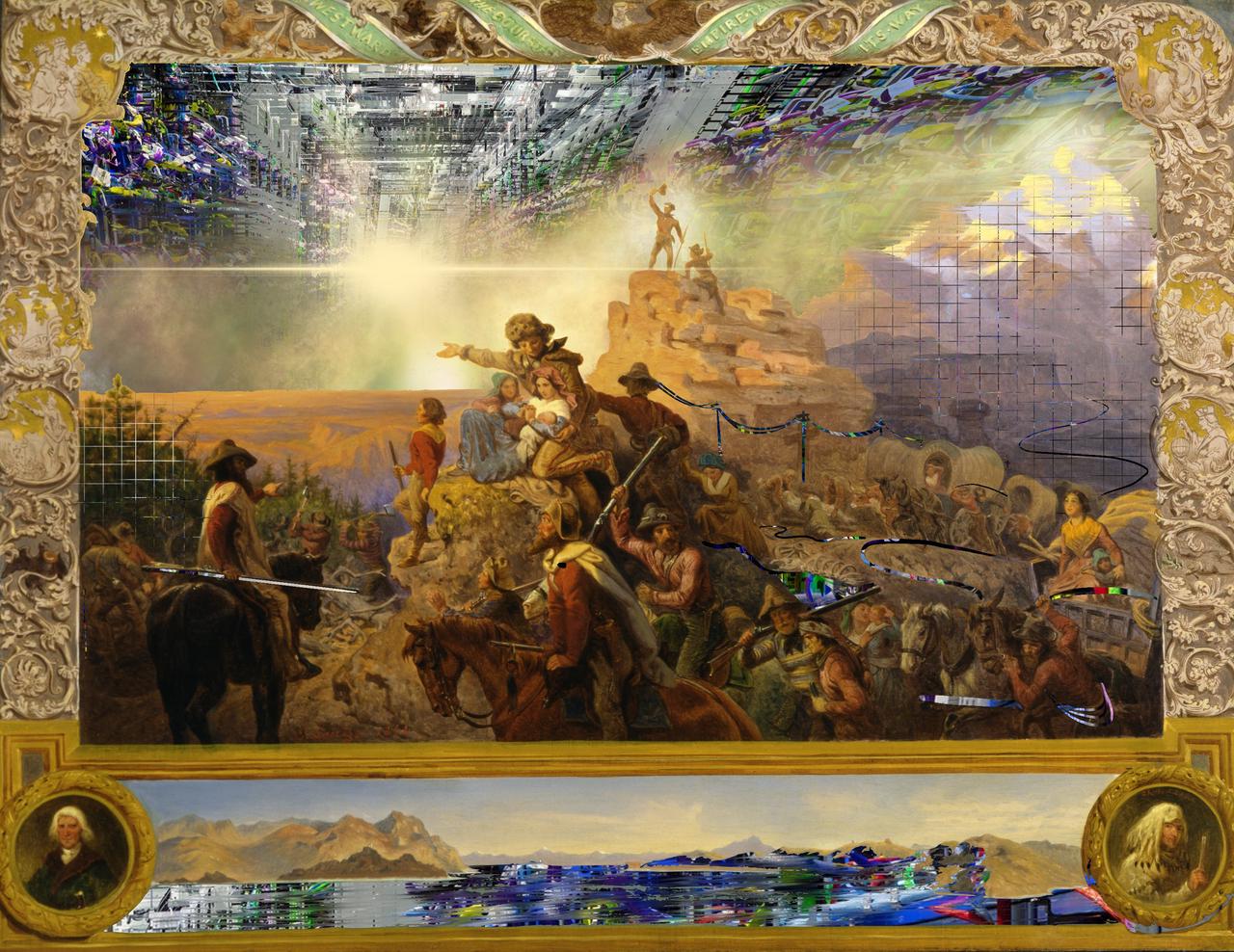
This metaphor draws comparisons between asbestos and generative AI, implying we are currently being subject to harms by AI that we aren’t yet aware of. There are also parallels between the mystical properties historically attributed to asbestos, and the way AI is sometimes spoken about in magical or even religious terms.
In the cases of both asbestos and AI, workers’ rights and protections have been central to discussions of regulation.
Where does the metaphor commonly appear?
The metaphor is a relatively recent one, gaining traction over the last decade. It has been used in AI critical circles, notably by tech activist Cory Doctorow, Warhammer designer Jervis Johnson, and in a 2025 open letter calling for the removal of AI from schools in Malden, a city in Massachusetts, US.
What does the metaphor highlight?
Comparing AI to asbestos highlights the dangers of embedding a seemingly helpful technology within infrastructure without understanding the long-term consequences. Asbestos is still used in some places, and regulation has been slow.
The metaphor reminds us that feelings of inevitability around a new technology aren’t unique to AI – society has had to rapidly adjust after learning asbestos (and cigarettes, fossil fuels etc.) are harmful. This breaks the pattern of narratives suggesting AI is a totally new phenomenon and presents an unforeseen paradigm shift, reframing it as just another challenge that can be overcome through regulation and societal change.
What does the metaphor hide?
Unlike asbestos, the potential harms of AI were known prior to becoming embedded in our everyday lives. Risks to humans from AI were discussed as far back as the 1950s, and whistleblowing, protesting, and resistance to AI and the big tech companies deploying them are well-established.
The metaphor also does not necessarily apply to non-generative forms of AI.
Whose interests does it tend to serve?
This metaphor is useful to AI critics, and anyone who wishes to see foundation AI models more strictly regulated, faster.